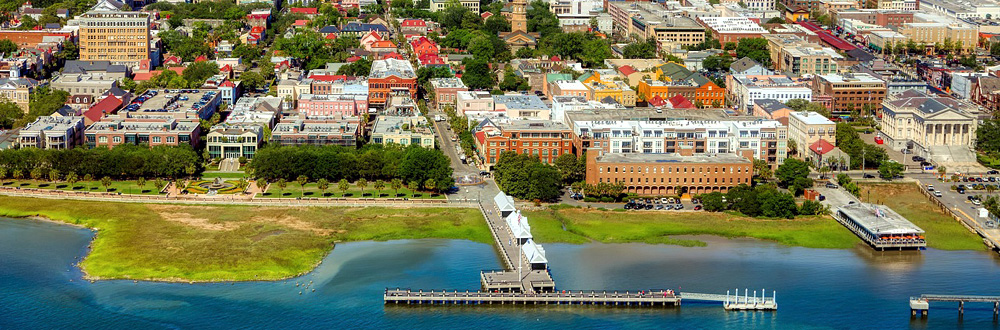
Charleston blends rich history with modern coastal charm, offering a city where the past feels vividly present. Its well‑preserved architecture, cobblestone streets, and colorful neighborhoods create an enchanting atmosphere that invites exploration. Visitors can stroll the iconic Battery promenade, take in sweeping harbor views, and appreciate the city’s deep maritime heritage. Charleston’s renowned culinary scene adds another layer of appeal, mixing Southern traditions with inventive flavors and global influences. With thriving arts venues, galleries, and live performances, the city offers a diverse cultural experience that complements its historic beauty.
Charleston’s Historic District is a beautifully preserved area where cobblestone streets, elegant buildings, and centuries‑old landmarks create an atmosphere rich with Southern heritage. Its colorful homes, iconic sites like Rainbow Row, and stately mansions along East Bay Street offer a vivid look into the city’s storied past. Visitors can wander through quiet lanes, explore historic churches, and admire architecture that reflects Charleston’s resilience and craftsmanship. The district’s blend of preserved history and modern charm makes every corner feel meaningful and connected to the city’s cultural roots. Walking through its streets, travelers experience a palpable sense of time and tradition that defines Charleston’s enduring appeal.
The Battery is a scenic waterfront promenade at Charleston’s southern tip, offering sweeping views of the harbor and a vivid connection to the city’s maritime heritage. Its stately antebellum mansions and historic seawall create an elegant backdrop that reflects Charleston’s architectural charm. Adjacent to the promenade, White Point Gardens provides a peaceful oasis with shaded oak trees, open lawns, and inviting pathways. Visitors can relax, picnic, and enjoy the gentle coastal breeze while taking in the park’s historic monuments and natural beauty. Together, The Battery and White Point Gardens offer a harmonious blend of history, scenery, and quiet coastal atmosphere.
Magnolia Plantation is one of America’s oldest estates, offering a lush, garden‑filled landscape that feels like stepping into a vibrant natural oasis. Its winding paths, blooming azaleas, camellias, and magnolias create a colorful setting that changes beautifully throughout the year. Visitors can explore the gardens, walk shaded trails, and enjoy a wildlife area where herons, egrets, and alligators appear in their natural habitat. Guided tours of the plantation house provide insight into the families who lived here and the complex history that shaped the property. It’s a serene and historic destination that blends natural splendor with meaningful cultural heritage.
Fort Sumter sits in Charleston Harbor and offers a powerful opportunity to step directly into the opening chapter of the Civil War. The scenic boat ride to the fort sets the stage, giving visitors a sense of the harbor’s strategic importance before they explore the historic grounds. Once inside, guests can walk through preserved structures, view artillery remnants, and experience the setting where the first shots of the conflict were fired. The on‑site museum adds depth with exhibits that explain the war’s origins, key events, and long‑lasting consequences. It’s a meaningful destination that blends history, scenery, and reflection, allowing travelers to stand on the very ground where national history changed course.
Middleton Place is a sprawling National Historic Landmark that immerses visitors in the elegance and grandeur of an earlier era. Its meticulously designed 18th‑century gardens showcase terraced lawns, blooming camellias, reflection pools, and the symmetry of classic English landscape design. Guests can explore shaded pathways, admire seasonal flowers, and enjoy the peaceful atmosphere that defines the estate’s natural beauty. The plantation house museum adds depth with period furnishings, decorative arts, and family artifacts that offer insight into the lives of those who lived here. In the stableyard, costumed interpreters demonstrate daily activities from the plantation’s past, creating a vivid and engaging connection to history.
Charleston City Market is a lively downtown landmark that has served as a gathering place for locals and visitors since the early 1800s. Its bustling aisles and historic buildings create an energetic atmosphere filled with handmade crafts, local artwork, and unique Lowcountry goods. Visitors can browse stalls offering sweetgrass baskets woven by Gullah artisans, sample regional flavors, and meet vendors who carry on long‑standing traditions. The market’s blend of culture, craftsmanship, and community gives every visit a sense of authenticity and connection to Charleston’s heritage. It’s a vibrant destination that showcases the city’s creativity, history, and welcoming spirit.
Boone Hall Plantation welcomes visitors with its majestic Avenue of Oaks, a centuries‑old canopy that creates one of the most iconic entrances in the South. The historic working plantation offers guided tours of the house and grounds, giving guests insight into the region’s agricultural heritage and the families who lived here. Its gardens add a serene touch, with fragrant blooms, sculpted hedges, and quiet ponds that enhance the peaceful atmosphere. The preserved slave cabins provide a poignant and educational look at the lives of the enslaved people who shaped the plantation’s history. It’s a meaningful destination that blends natural beauty, cultural storytelling, and a deep connection to Charleston’s past.
The Nathaniel Russell House offers a glimpse into Charleston’s elite world of the early 19th century, showcasing one of the city’s finest examples of Federal‑style architecture. Its interior highlights exquisite craftsmanship, with elaborate plasterwork, intricate wood details, and the famous cantilevered staircase that stands as a masterpiece of American design. Visitors can explore richly furnished rooms that reflect the lifestyle and tastes of the Russell family during this period. Guided tours provide historical context, revealing stories of the household and the broader social landscape of the era. It’s a beautifully preserved landmark that blends architectural elegance with meaningful insight into Charleston’s past.
The Gibbes Museum of Art is a cultural landmark that celebrates Southern creativity through a diverse collection of American works. Its elegant Beaux‑Arts building provides a refined backdrop for galleries that highlight pieces inspired by the Lowcountry’s landscapes, history, and artistic traditions. Visitors can explore vibrant paintings, thoughtful contemporary works, and rotating exhibitions that showcase both regional and national talent. Educational programs and special events add depth, offering opportunities to engage more closely with the museum’s collections and themes. It’s a must‑visit destination for art lovers seeking a meaningful look at Charleston’s artistic legacy.
Patriots Point Naval & Maritime Museum sits across the Cooper River in Mount Pleasant and offers an immersive look into American naval history. Its centerpiece, the USS Yorktown, invites visitors aboard a massive World War II and Vietnam‑era aircraft carrier filled with stories of life at sea. Guests can explore the flight deck, view vintage aircraft up close, and walk through the ship’s interior compartments to understand the daily routines of sailors during wartime. Interactive exhibits, including a flight simulator, add hands‑on excitement and deepen the educational experience. From the Yorktown’s expansive deck, visitors can enjoy panoramic views of Charleston’s skyline, blending history with unforgettable scenery.